
AC condenser making noise? What each sound means
November 5, 2026
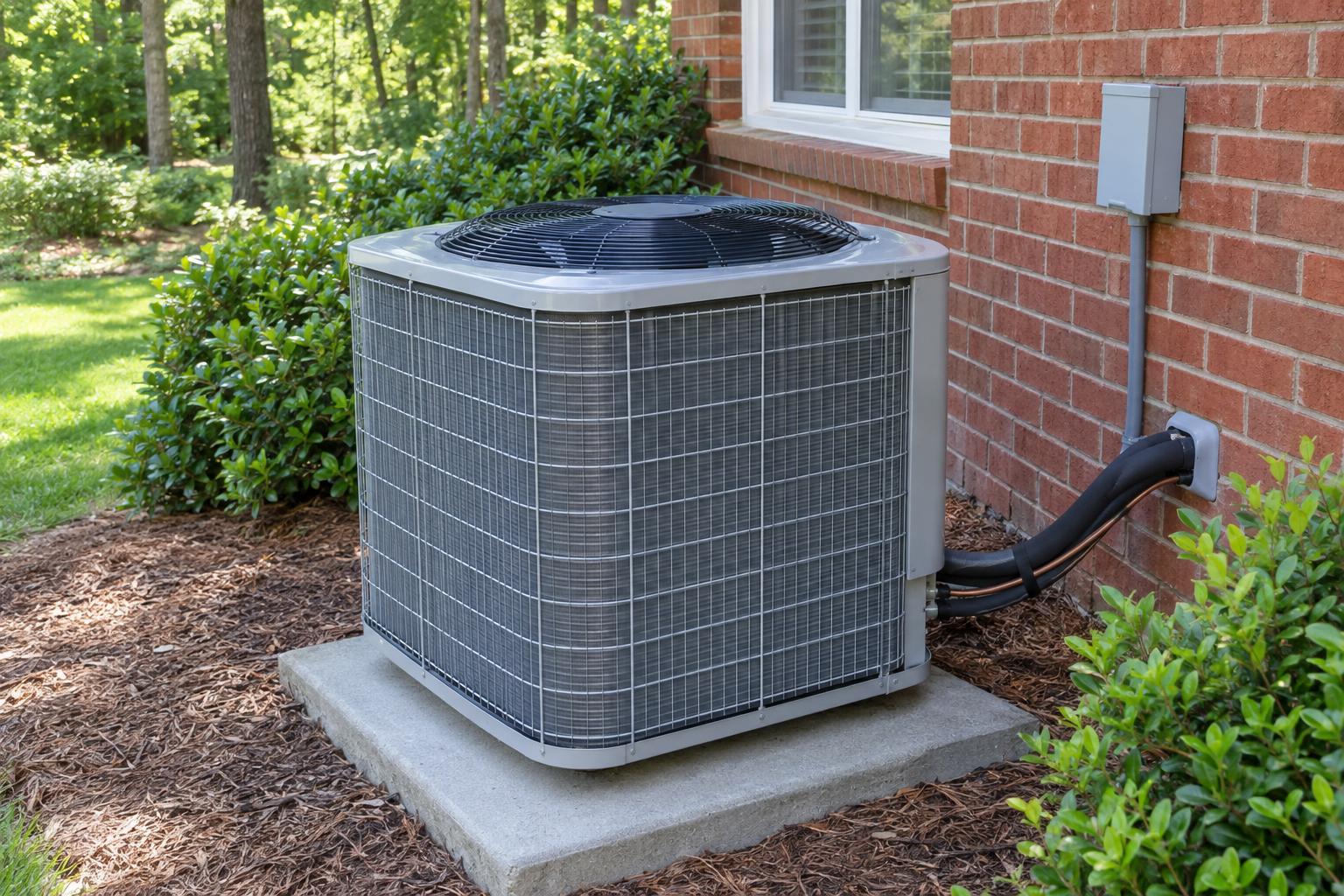
When your outdoor AC unit starts buzzing, clicking or rattling, it's hard not to worry. That unit, called the condenser, is the outdoor half of your cooling system, and a new noise often means a part needs attention.
Here's what common condenser noises usually mean, what you can safely check, and how to decide if an older unit is worth fixing.
What do condenser noises usually mean?
A healthy condenser makes a steady hum and the whoosh of a fan, with a soft click when it starts and stops. What matters is a new sound, or one that keeps getting louder.
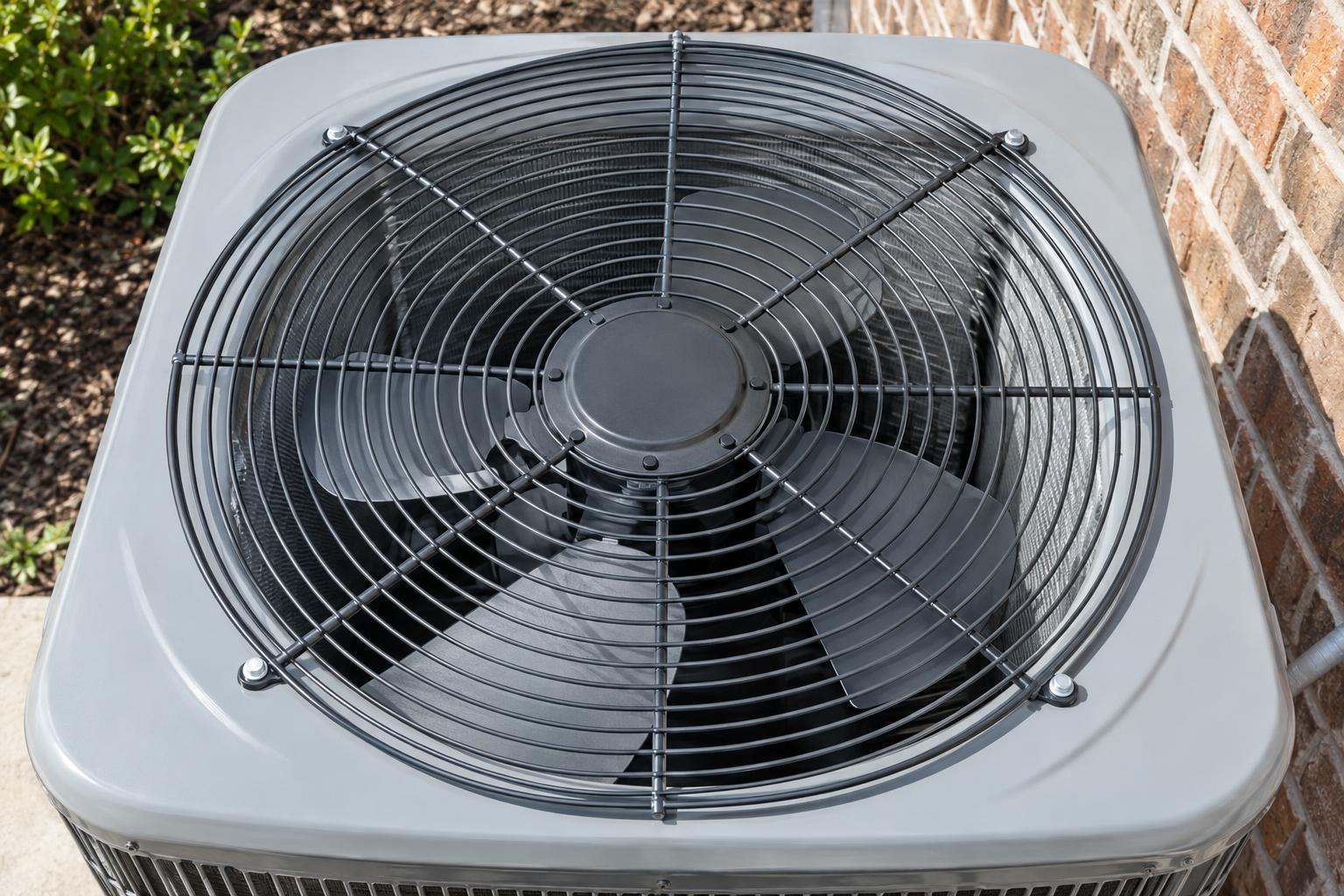
Here are the noises homeowners notice most and what they often point to:
Buzzing or humming, but the fan won't spin: often a weak capacitor, a part that stores a jolt of power to start the motors.
Rapid clicking: often a worn contactor, the switch that turns the unit on. It can also mean the compressor, the pump at the heart of the unit, is struggling to start.
Rattling: loose screws or panels, sticks or debris inside the unit, or a fan blade working loose.
Squealing or screeching: often worn bearings in the fan motor. Sometimes it means the compressor is under strain.
Banging or clanking: may mean a loose or broken part inside the compressor.
Hissing or bubbling: can point to a refrigerant leak. Refrigerant is the fluid that carries heat out of your home.
A weak capacitor is one of the most common reasons a condenser buzzes, especially after a long hot stretch. AC capacitor replacement is usually a fairly quick repair for a technician.
What can I check before calling for help?
A few simple checks can rule out easy fixes. None of them involve opening the equipment.
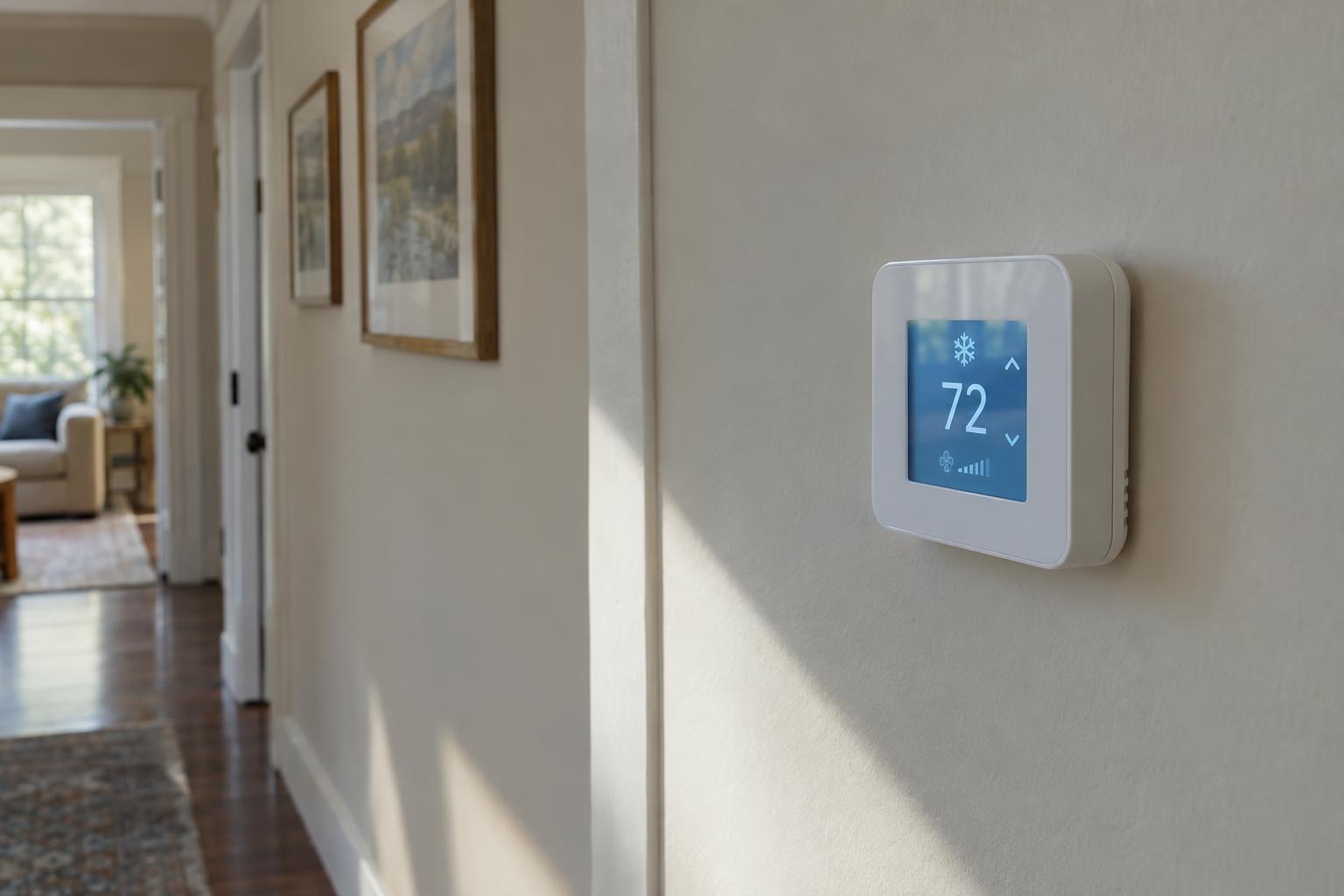
Check the thermostat. Make sure it's set to cool and a few degrees below room temperature, and replace the batteries if it uses them.
Check the breaker for the AC in your electrical panel. If it tripped, reset it once, and if it trips again, leave it off.
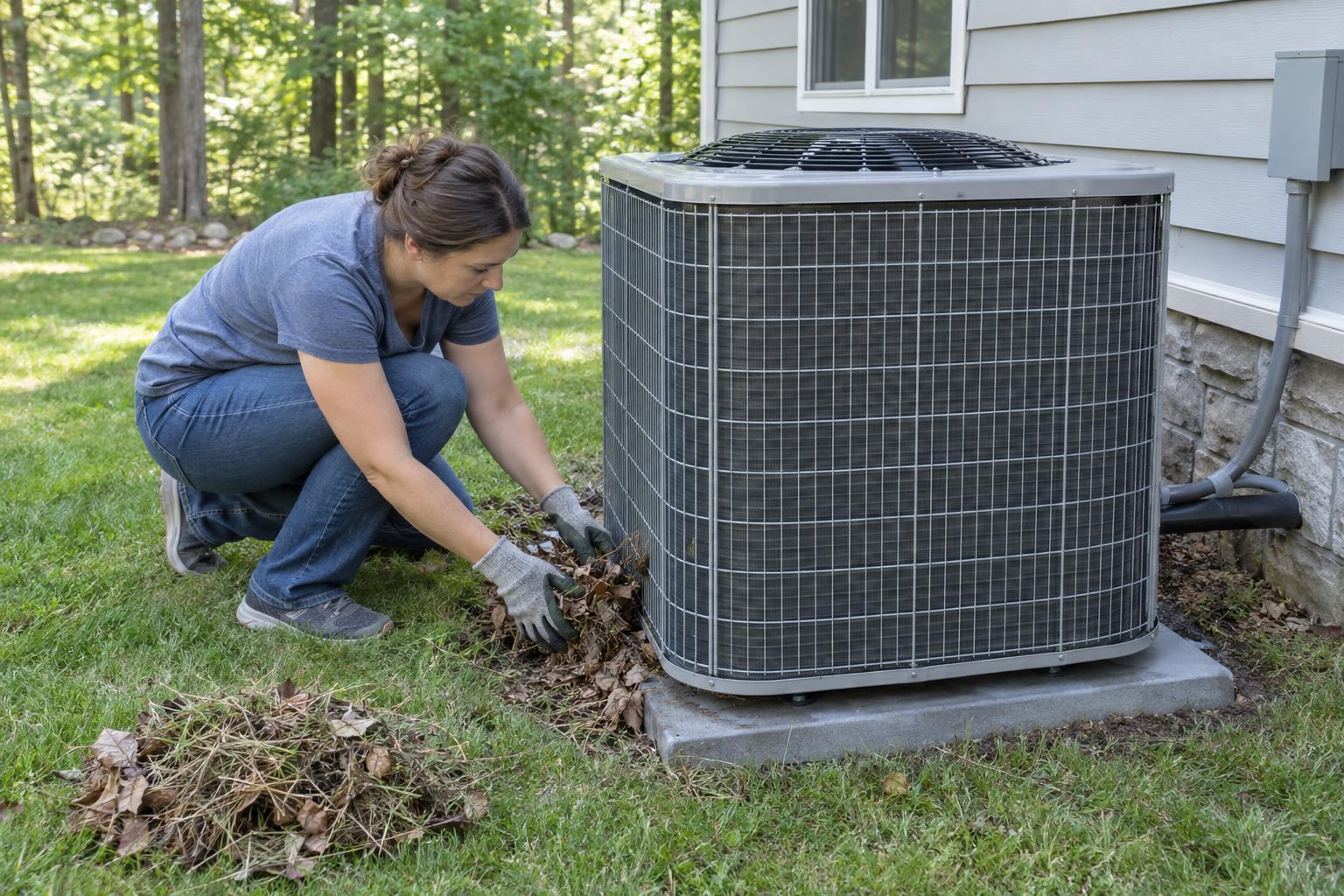
Clear around the outdoor unit. Pull away leaves, grass clippings and branches so it has a couple of feet of open space.
Change the air filter. If it looks gray or clogged, swap it out, since a dirty filter makes the whole system work harder.
Don't remove panels or reach inside the condenser. Some parts, like the capacitor, can hold an electrical charge even with the power off.
If you hear banging, grinding or loud screeching, or the unit hums but the fan won't spin, turn the system off at the thermostat and call for service. Running it that way can turn a small repair into a big one.
Can a hard start kit help an older compressor?
The compressor is the pump that moves refrigerant through your system. It's usually the most expensive part of the condenser to replace.
As compressors age, they can struggle to get going, especially on the hottest afternoons. You might hear humming or clicking and see the lights dim, then the unit shuts off or trips the breaker.
A hard start kit is a small add-on part that gives the compressor an extra boost of power the moment it starts. On an older compressor, that boost can help it start more easily and with less strain.
A hard start kit isn't a cure, though. If the compressor is already failing, it may only buy some time.
Installing one is electrical work, so book an AC repair visit and have a technician test the compressor first. If it tests healthy, a kit can be a sensible way to get a few more seasons from an older unit.
Why older condensers cost more to keep running
An older condenser wears out in several places at once. Fan motors, capacitors, contactors, coils and the compressor all age together, so one repair is often followed by another.
Older units also tend to lose efficiency. Dirty or bent coil fins and worn parts make the system run longer to cool your home, and that shows up on your power bill. Parts for some older units can also be harder to find, which can mean a longer wait in the middle of summer.
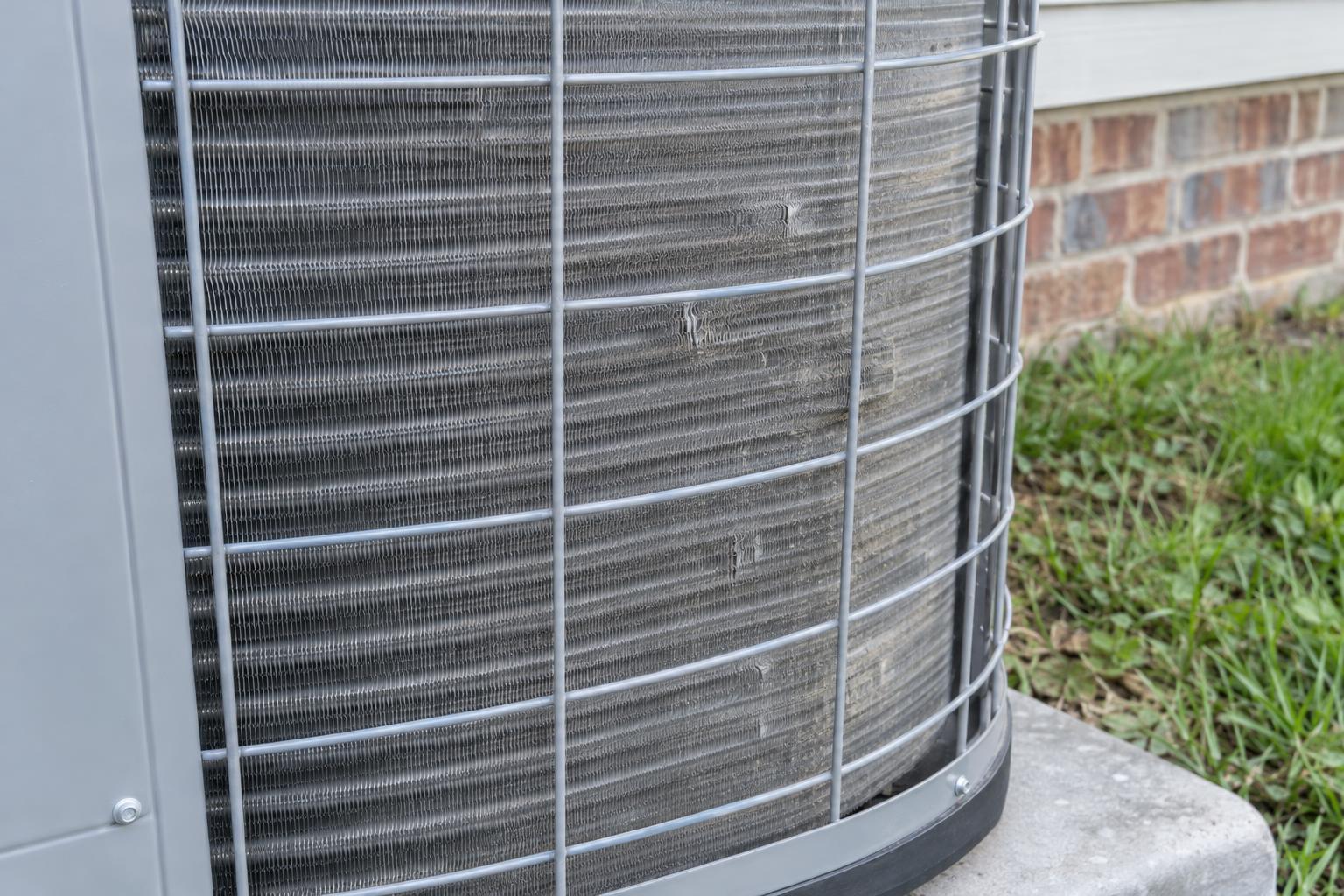
Many older systems use a refrigerant called R-22, often known by the brand name Freon. Newer systems use a different refrigerant, and R-22 has become scarce and expensive.
If an R-22 system leaks, recharging it can cost far more than it once did, and the leak may come back. You can usually find the refrigerant type on the label on the side of the outdoor unit.
Should I repair or replace my AC?
There's no single right answer, but a few signs point toward replacing. Many central AC systems last somewhere around 10 to 15 years, and big repairs get more likely as they near that age.
Replacement is often worth a look when a system in that age range needs a major repair, like a new compressor. It also makes sense when an R-22 system has a leak, or when you're paying for repairs every summer.
Energy use matters too. A newer, more efficient system uses less electricity to cool the same house, so summer bills often go down.
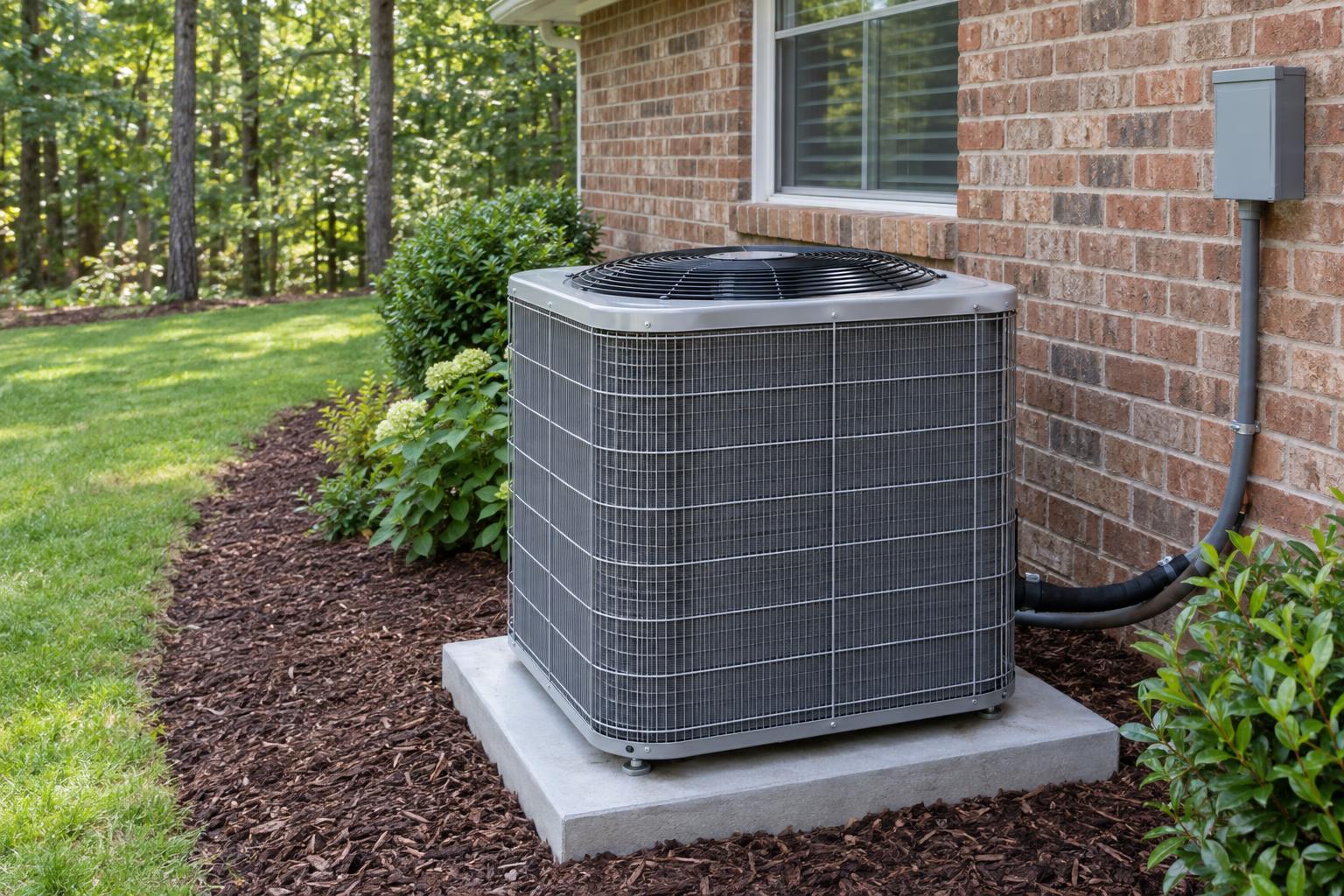
Every system has an efficiency rating, and a higher rating means more cooling for the same power. How much you save depends on your old unit's age and condition, your home, and how much you run the AC.
If your condenser is older and getting louder, it's worth learning about replacing an older AC system before a breakdown forces a rushed choice on the hottest day of the year.
How to keep your condenser running quietly
Regular tune-ups catch worn capacitors, loose parts and dirty coils before they turn into loud noises or breakdowns. Each tune-up on our maintenance plans includes coil cleaning, a drain flush, thermostat calibration, a safety check, a low voltage system check and a check for leaks.
The Every Month plan also includes free capacitors, contactors and fuses, some of the most common parts behind a buzzing or clicking unit.
If your condenser is making a new noise, start with the simple checks above. If the sound keeps up or gets worse, turn the system off and book a cooling repair visit. After hours, call us anyway at (423) 760-1273, though an emergency fee applies.