
Switching from AC to heat: what to check before winter
November 5, 2026
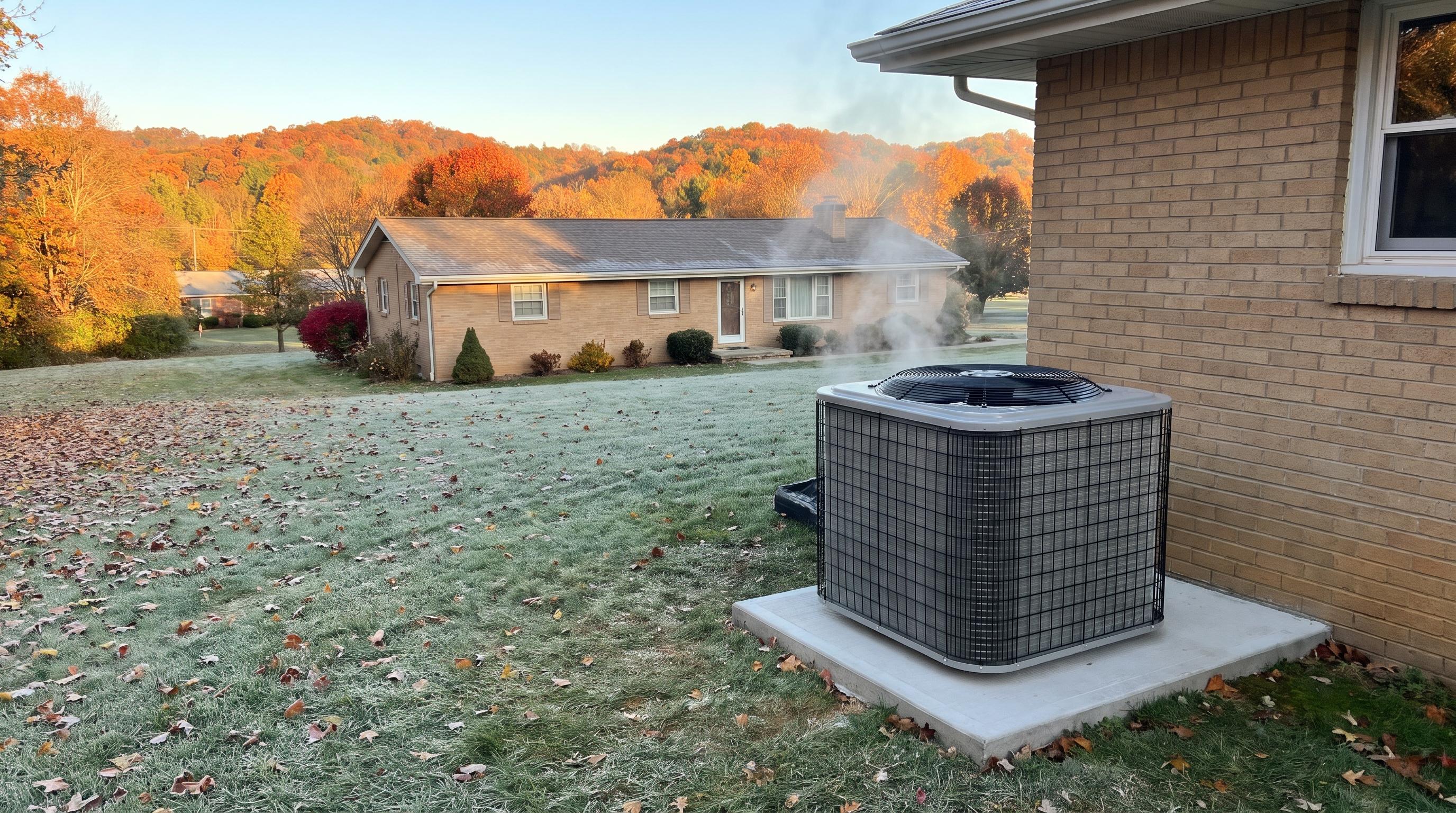
Fall around Chattanooga can't make up its mind. One week you're running the AC, and the next there's frost on the windshield. Here's how to make sure your heat is ready before you need it.
The first heating cycle of the year is when hidden problems tend to show up. Finding them on a mild afternoon beats finding them at 2 am in January.
What actually changes when you switch to heat?
To you, it's one button. To your system, it means parts that sat idle for months suddenly have to work.
In a furnace, the burners, igniter and safety switches haven't fired since spring. In a heat pump, the outdoor unit that cooled your house all summer now has to run in reverse.
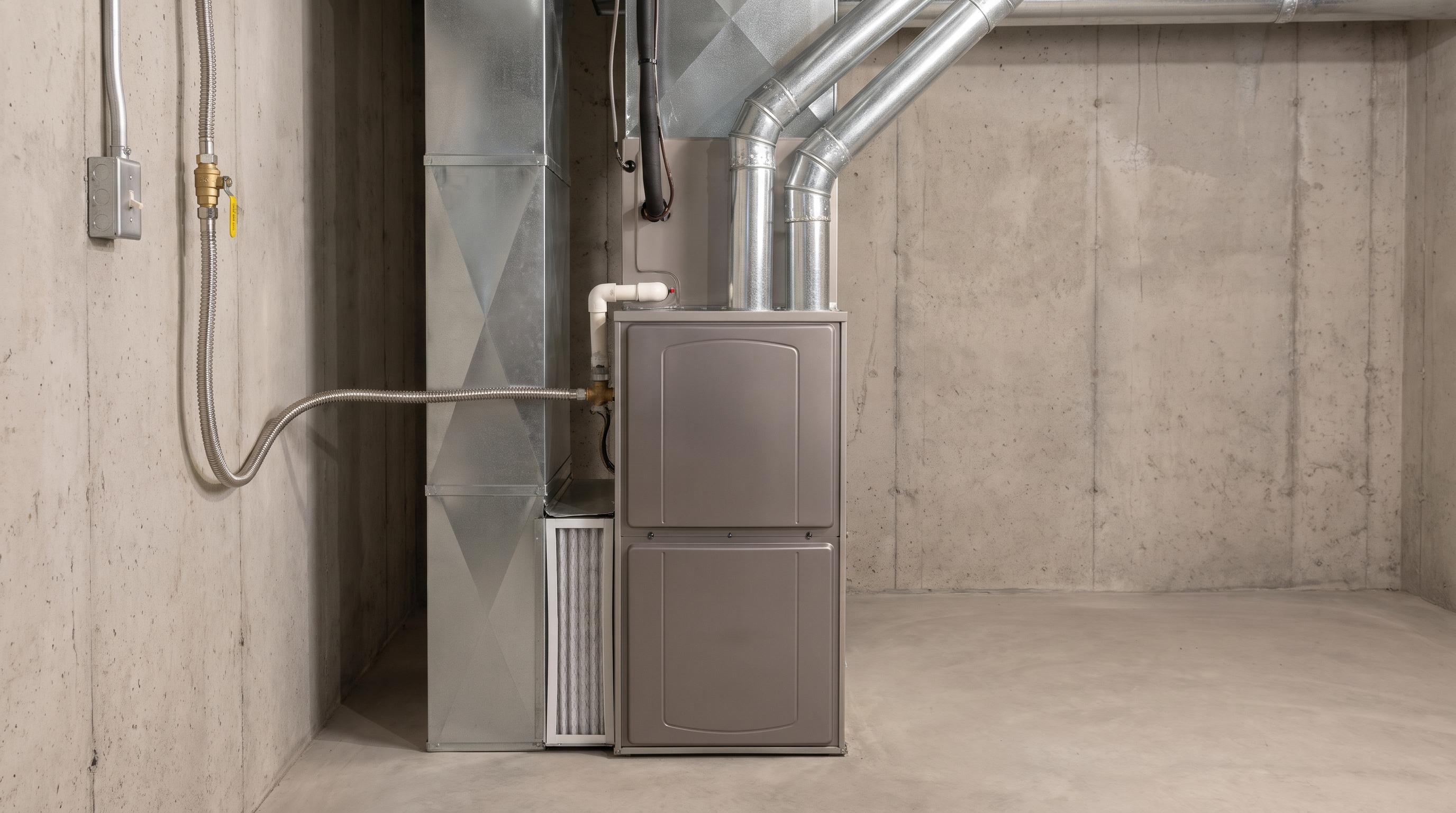
Meanwhile, dust settles, small parts wear, and critters sometimes move in. That's why so many heating problems surface on the first cold night.
A faint burning-dust smell the first time a furnace runs is common and usually fades within an hour or so. If it lingers, or smells like hot plastic or burning wires, turn the system off and call for service.
If you smell gas (it often smells like rotten eggs), don't flip switches or try to find the source. Leave the house and call your gas company or 911 from outside.
Know which system you have
What happens at switchover depends on your equipment. Most homes have one of three setups, and each has its own weak spots.
Furnace
A furnace makes heat inside your home, usually by burning gas, though some use electric heating elements. It often sits in a closet, basement, attic or crawlspace, paired with an outdoor AC unit for summer.
When you switch to heat, the AC rests and the furnace takes over. Furnace trouble tends to involve ignition, airflow and safety controls.
Heat pump
A heat pump moves heat instead of making it. In winter it pulls heat from the outdoor air, even when it feels cold out, and brings it inside. A part called the reversing valve switches it between cooling and heating.
Because it works all year, it never really gets a break. Many heat pumps also have backup electric heat for the coldest days.
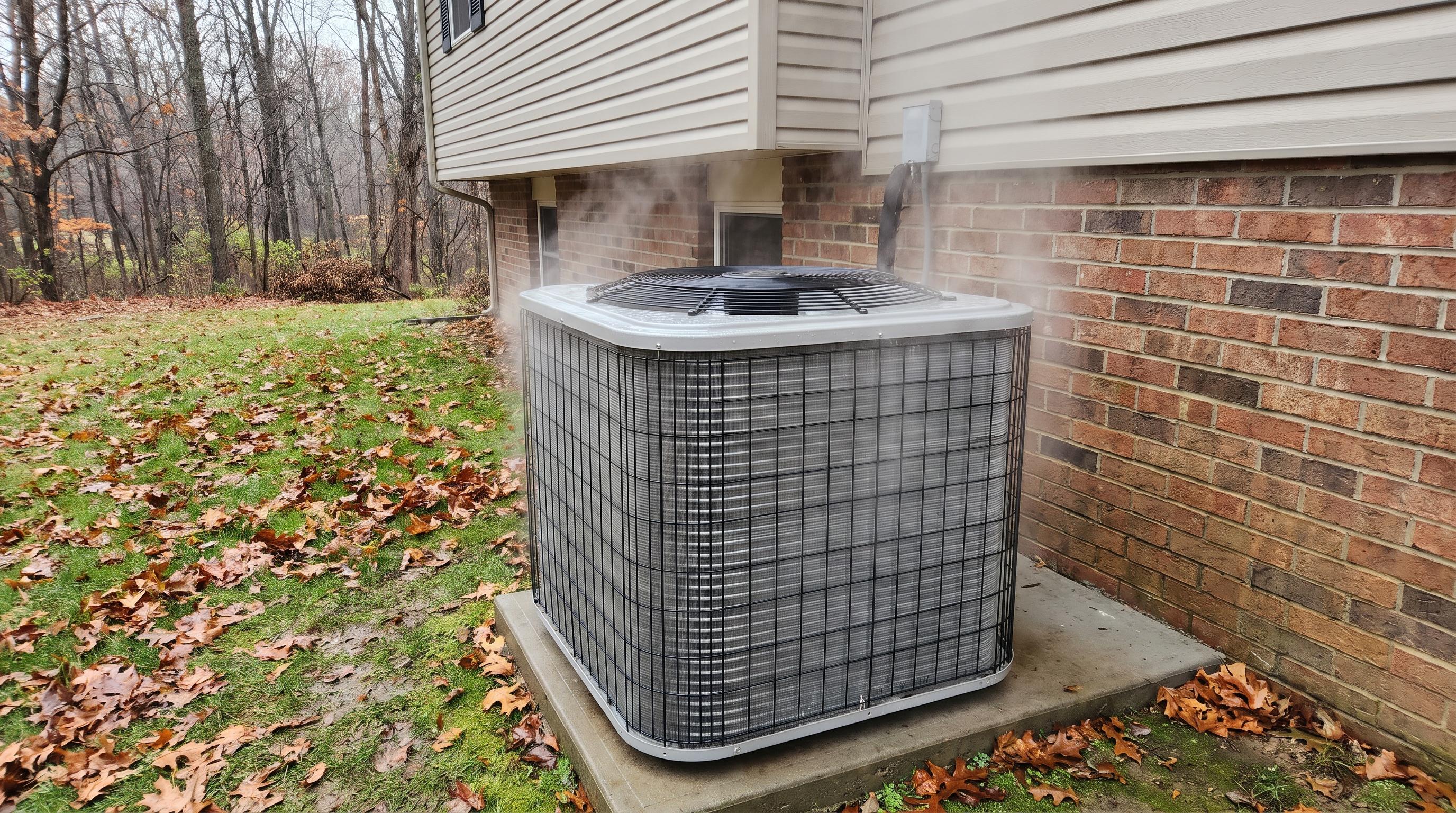
In cold, damp weather, a heat pump will go into defrost now and then. The outdoor fan may stop, the unit may steam, and the air inside may feel cooler for a few minutes. That's normal.
Package unit
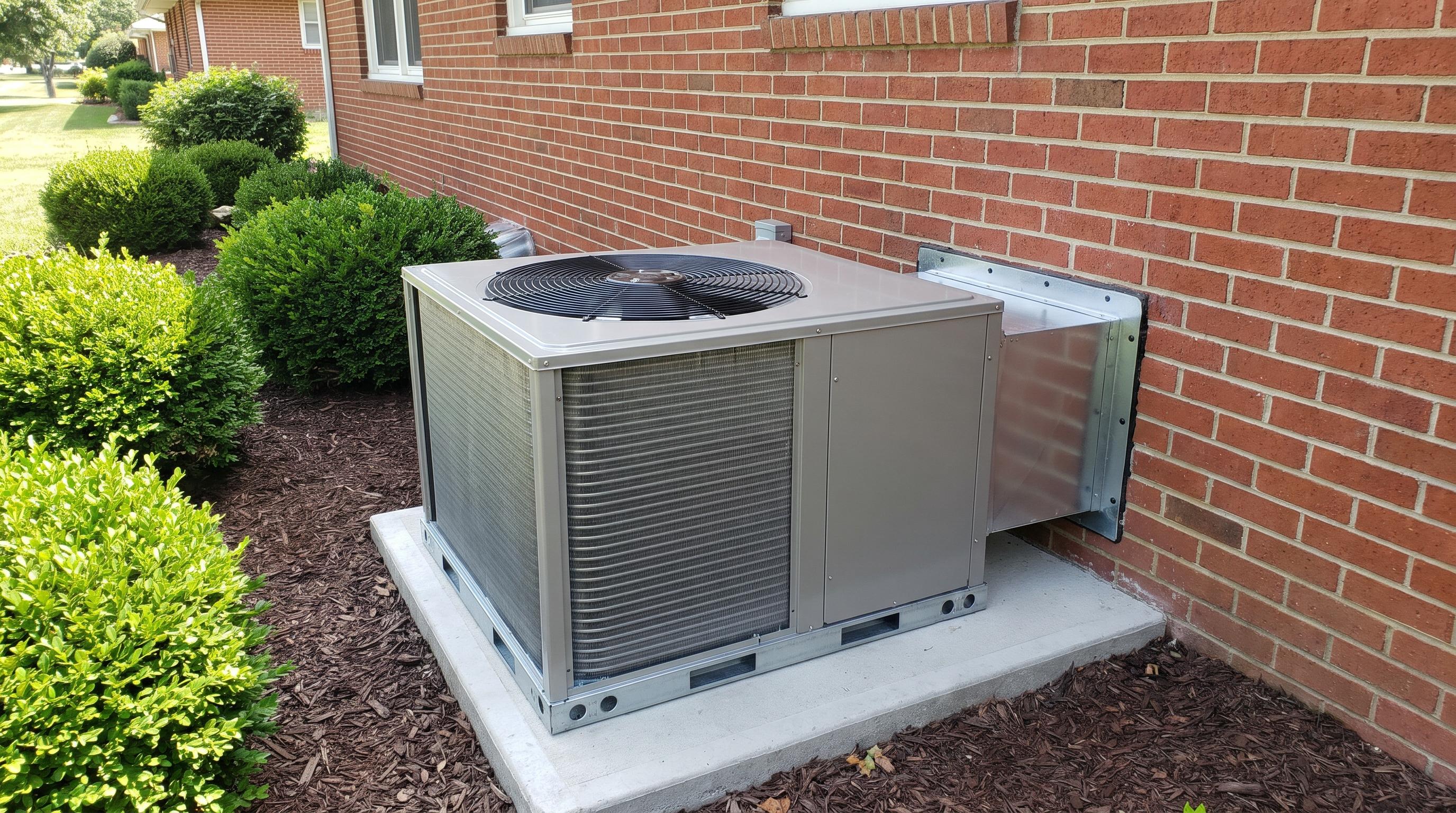
A package unit puts everything in one cabinet outside, on a pad beside the house or on the roof, with either gas heat or a heat pump. Because it lives outdoors, it faces weather, leaves and pests all year, and the spot where the ducts meet the cabinet matters.
Simple checks you can do yourself
Do these before you need heat, not after. They take a few minutes, and some "no heat" problems turn out to be one of them.
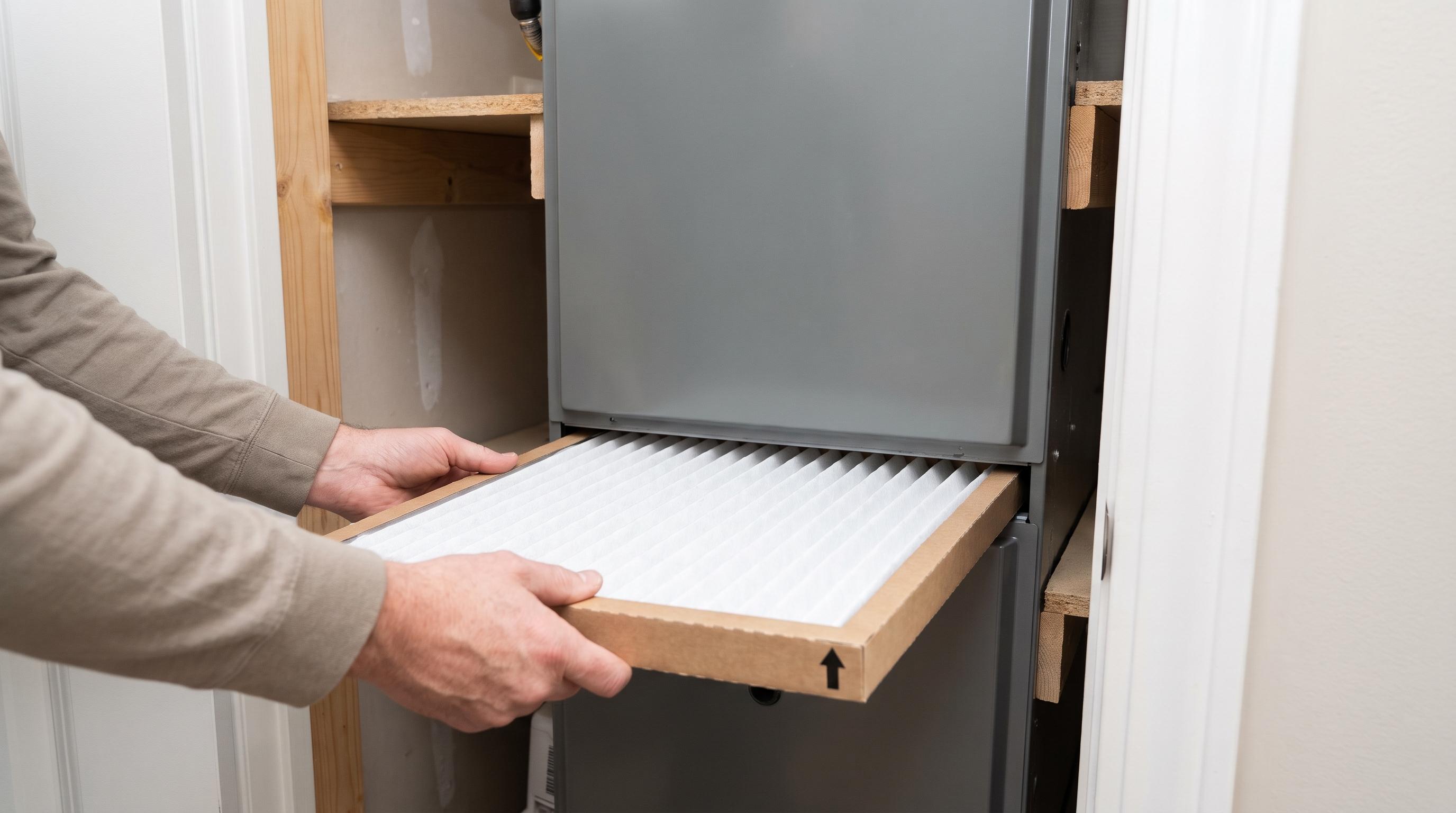
Change the filter. A summer of running can leave it clogged, and many furnaces shut themselves off when airflow gets too low.
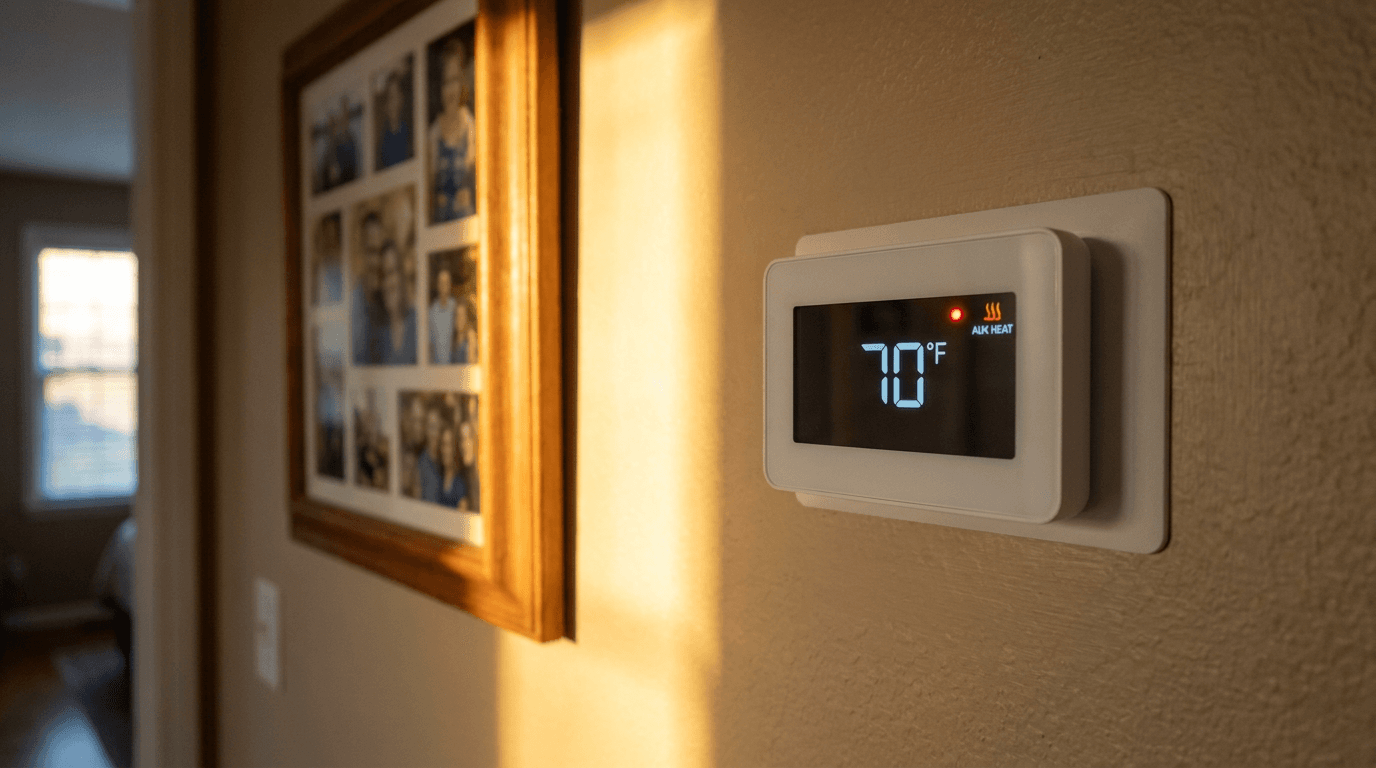
Check the thermostat. Set it to Heat a few degrees above room temperature, wait several minutes, and put in fresh batteries if it uses them.
Check the breaker and power switch. Make sure the light-switch-style power switch near the furnace is on. If a breaker trips again after you reset it, leave it off and call.
Clear the outdoor unit. For heat pumps and package units, keep leaves, mulch and plants a couple of feet back.
Open vents and returns. Move any furniture, rugs or boxes that block them.
Test your carbon monoxide detectors. If you have gas heat or other gas appliances, press the test button on each one.
If those don't solve it, stop there. Anything past this involves gas, electrical parts or refrigerant, and those are jobs for a trained technician.
Three problems that often show up at switchover
Why won't my furnace light?
You hear the thermostat click and maybe the blower runs, but no warm air comes out. Or the burners light, then shut off after a few seconds.
Common causes include a worn igniter, a dirty flame sensor, a clogged filter tripping a safety switch, or a blocked drain line on a high-efficiency furnace. Some are quick fixes for a technician, but all of them involve gas and electrical parts inside the cabinet.
Resetting it over and over won't fix the cause. Turn it off and book a heating repair instead.
Why is my heat pump blowing cold air?
If it blows cool air in heat mode for long stretches, not just during a short defrost, the reversing valve or the part that controls it may be the problem. That valve sits in the refrigerant lines, so it's a job for a licensed technician with the right tools.
Meanwhile, your backup heat may quietly carry the load. You stay warm, but you may not notice a problem until the electric bill arrives. If your thermostat shows "aux heat" or "emergency heat" far more than usual, that's your clue.
If your system is older and repairs keep stacking up, it may be worth asking about replacing your system before it fails outright.
Ductwork that's come loose
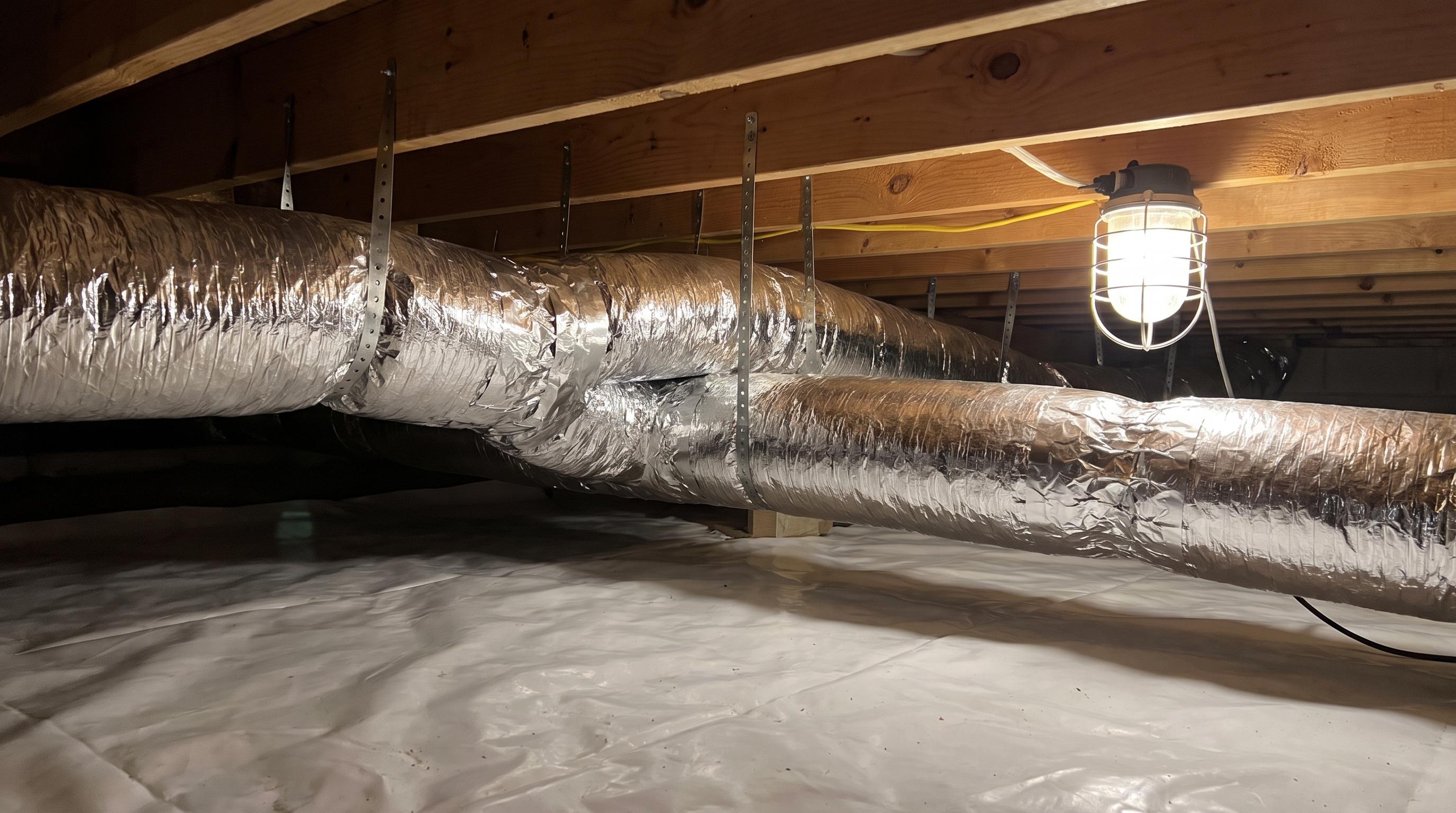
Not every heating problem is in the equipment. Ducts in attics and crawlspaces can sag, separate or lose insulation over time, and in winter that means warm air you paid for pours into the crawlspace instead of your living room.
Watch for one room that's always colder, weak airflow at some vents, a higher bill than last winter, or more dust around the house. A technician can find loose or leaky sections, then secure and seal them.
Why a fall tune-up is worth it
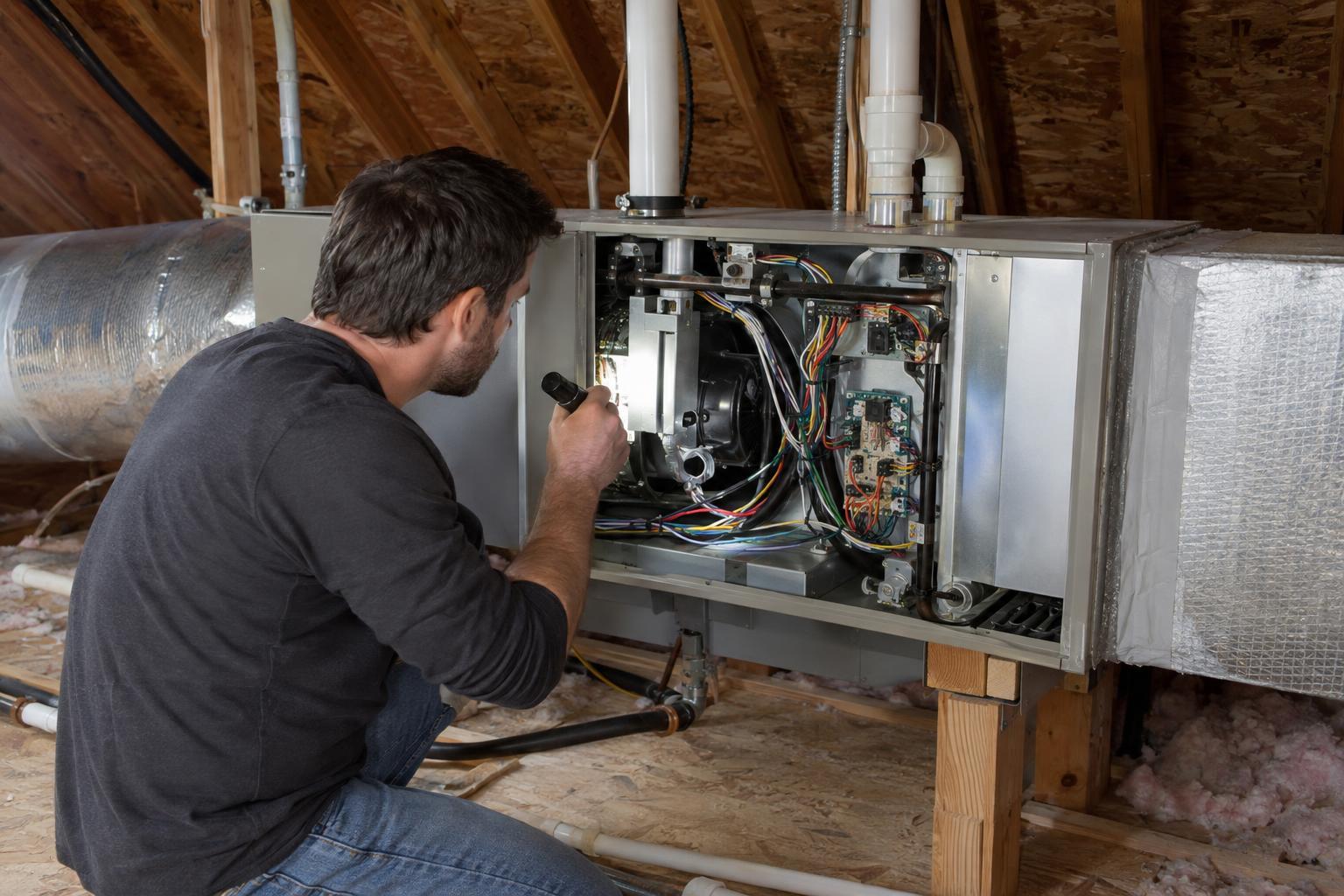
Your own checks cover the outside of the system. A technician looks inside, where worn parts can hide until the coldest night of the year.
A fall visit lets you deal with a weak part on your own schedule, before the winter rush when everyone else is calling too. Depending on your system, a heating tune-up often includes:
Inspecting and cleaning a furnace's burners, igniter and flame sensor
Checking safety controls and venting
Running a heat pump in heat mode, including defrost and backup heat
Checking electrical connections and parts that wear out, like capacitors
Checking airflow and any ductwork that can be reached
Clearing condensate drains
A well-tuned system tends to run more efficiently and safely, which matters most with gas heat, where proper burning and venting count. It can also help your equipment last longer.
If you'd rather not keep track, our Spring and Fall plan schedules your heating tune-up every fall and your cooling tune-up every spring, with priority scheduling when you call. You can see how our maintenance plan works before you decide.
If something already isn't working right, book a service visit now, before the first hard freeze. It's much easier to sort out a problem on a mild fall afternoon than on a freezing January night.